Asia's AI Chip Startups Face Uphill Battle Against Nvidia
What happened
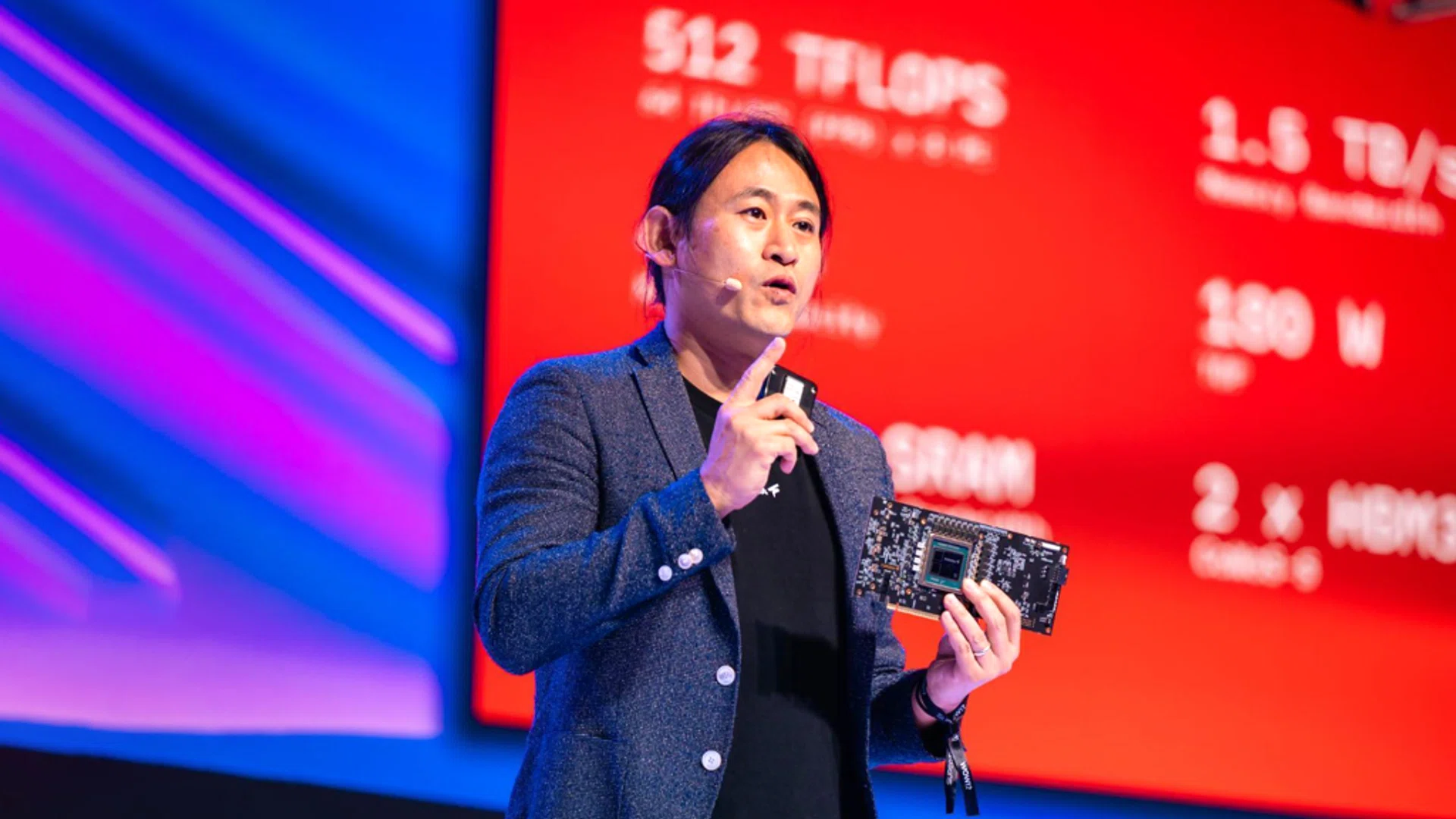
Asian AI chip startups are struggling to break into the frontier of AI hardware, held back by scarce access to advanced foundries, high-bandwidth memory, and packaging capacity. South Korea's FuriosaAI has raised US$246 million and begun mass production of its 5nm RNGD chip, with 4,000 units delivered and 16,000 more planned this year. India's Agrani Labs raised US$8 million and is seeking over US$100 million, but even that may not secure TSMC capacity. Meanwhile, the global chip market is set to hit US$1.51 trillion in 2026, driven by memory and AI chips, while a handful of players control critical chokepoints: TSMC makes about 90% of advanced logic, ASML is the sole EUV supplier, and Samsung and SK hynix hold roughly 80% of HBM output.
Why it matters
The concentration of the chip supply chain has turned a commercial boom into a geopolitical problem. Governments are pouring billions into national programs—China's ~US$100 billion fund, the US CHIPS Act's US$52.7 billion, Europe's over €52 billion, and India's ~US$22 billion—but none can easily break the dominance of incumbents like Nvidia, which commands over 75% of the GPU market. For Asia's startups, overcoming these barriers is essential to creating homegrown alternatives and reducing dependence on US and Chinese suppliers.
Notes
- unverified-number:75%
Sources
www.businesstimes.com.sg · Published: Aug 16, 2026, 8:00 AM
www.wrightresearch.in · Published: Aug 16, 2026, 8:00 AM